


Cook Share
From Arrival to Departure: Consumption - Contribution - Community
Project Overview
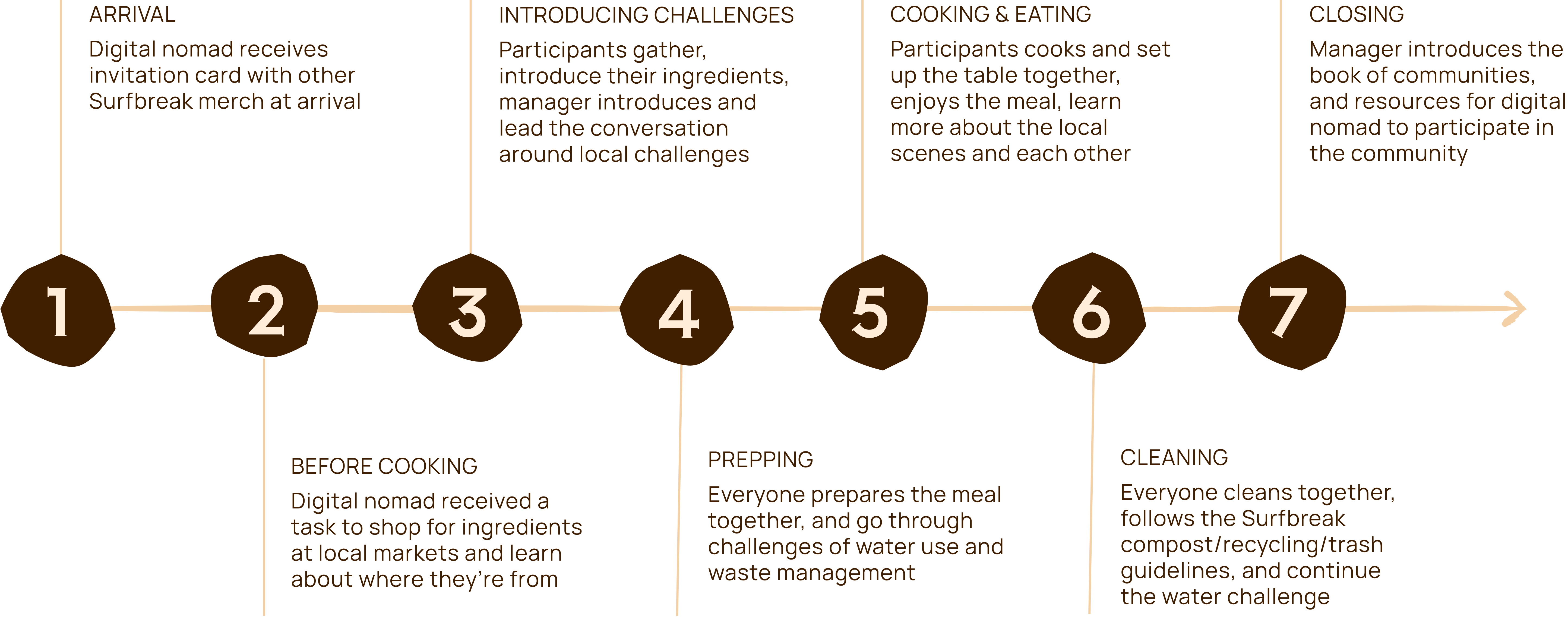
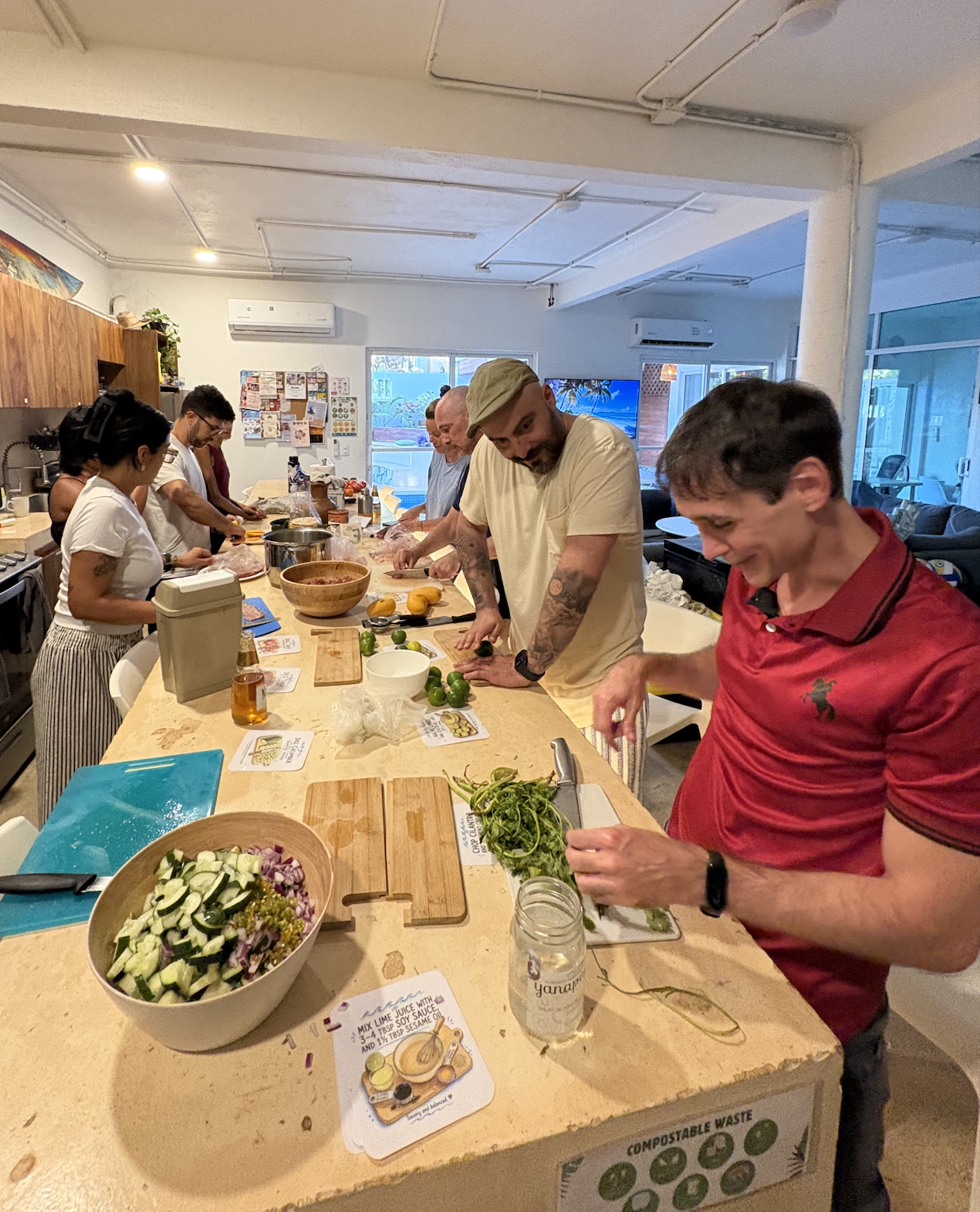
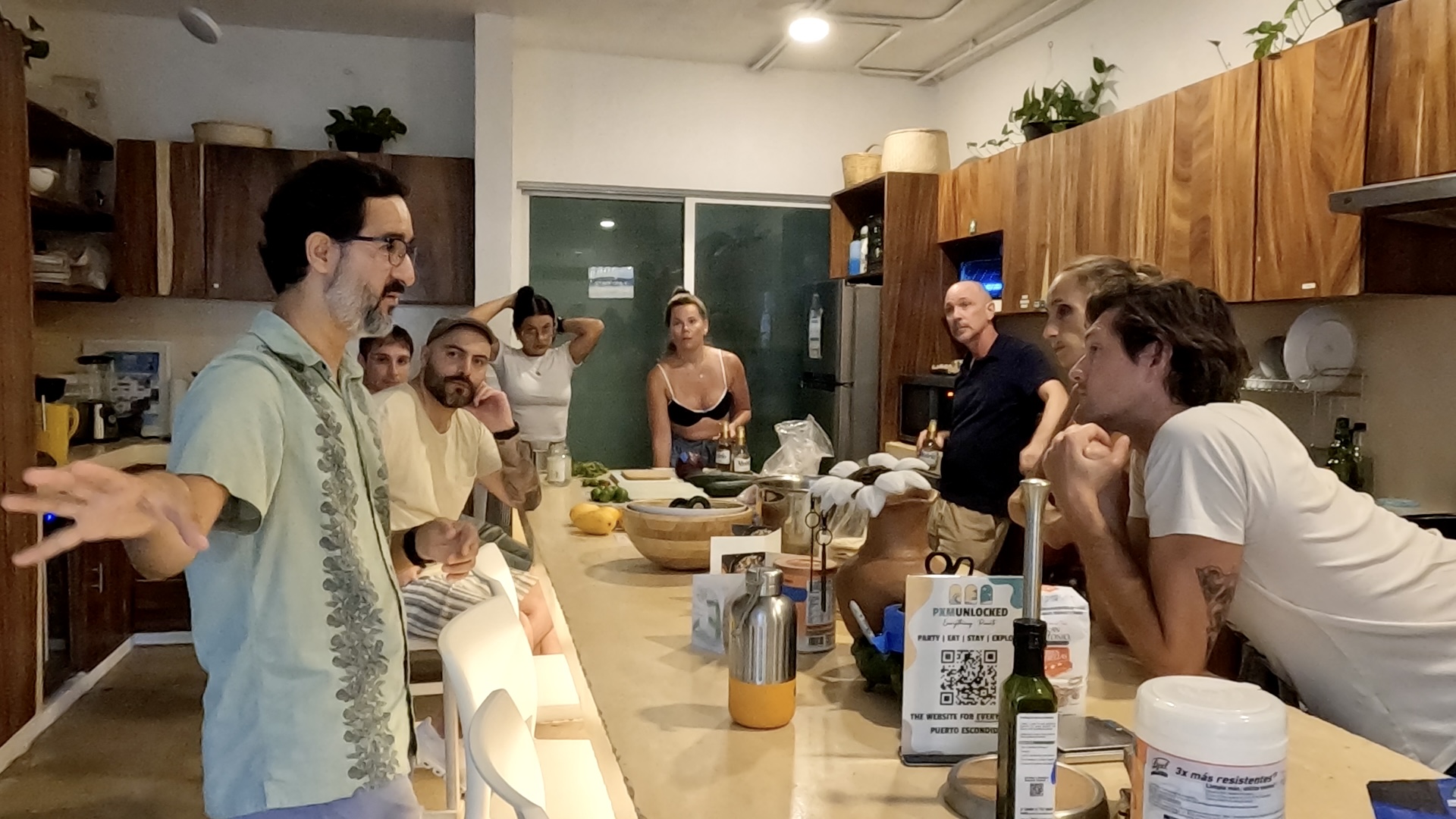
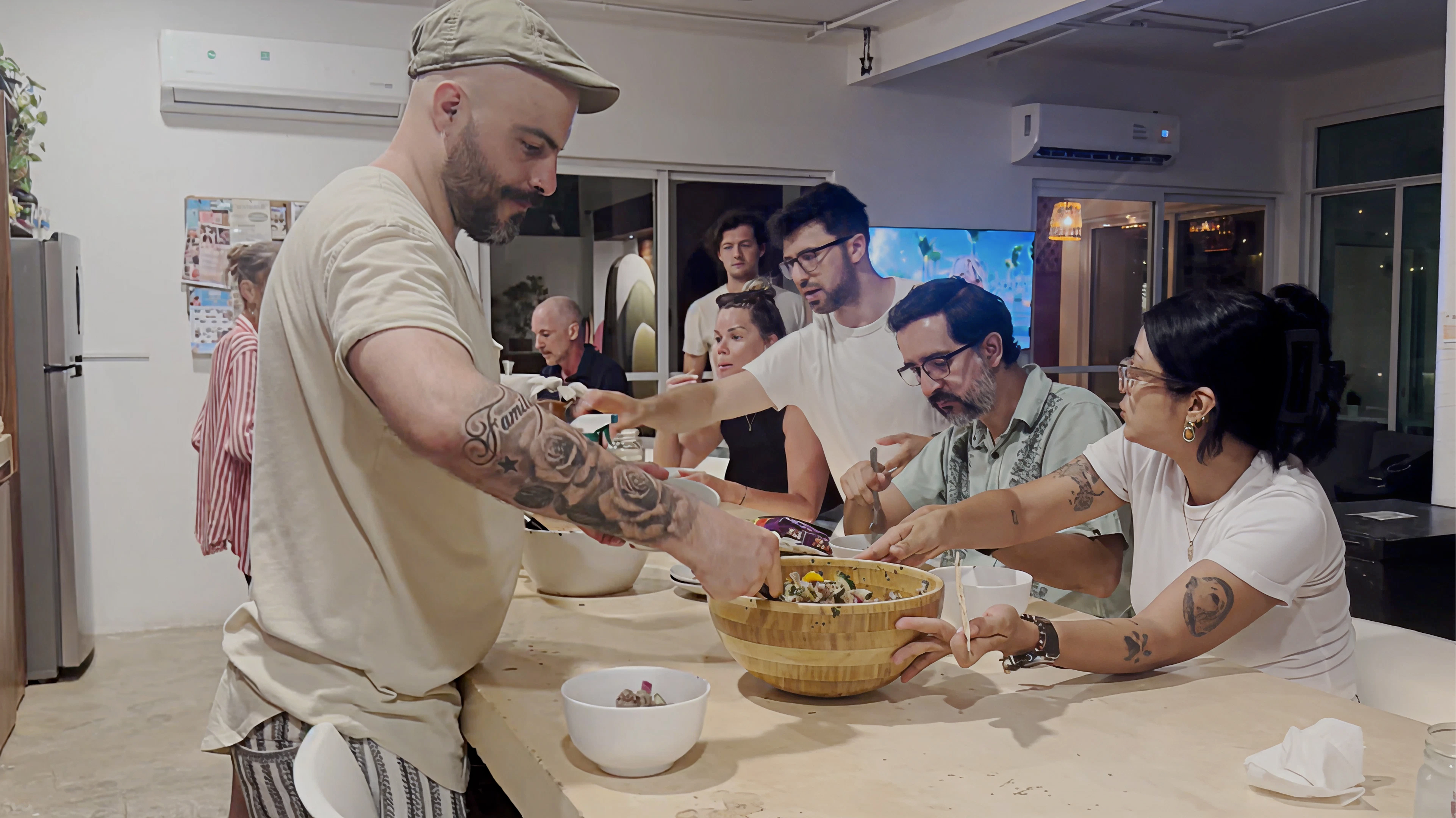
Cook Share is an orientation experience designed for co-living spaces in Puerto Escondido to transforms the arrival of digital nomads into an embodied ritual of participation and responsibility. Through co-living manager-led communal cooking sessions, residents engage in shared manual labor (chopping, cooking, eating, and cleaning), while working within visible resource constraints. This makes local challenges such as water scarcity, rising cost of living, and waste management tangible, shifting the arrival experience from passive consumption to active contribution.
This experience is a launching testimonial of a broader service design, Comunidad de Cocinar y Compartir (Cook Share Community) that facilitates structured cooking sessions between digital nomads and local initiative organizers. The topic-based cook share sessions aim to foster communities that bridge the gap between nomads and locals, and outlast a single nomad’s stay through mutual learning, exchange, and collaboration.
Together, the experience and service establish a participation infrastructure that fosters stewardship, reciprocity, and shared responsibility.
Year
2026
Duration
3 Months
Design Type
Experience, Service
Responsibilities
Design Research, Experience Design, Experience Material Design & Manufacturing, Service Blueprint, Service Design, Project Pitching, Experience Execution
PROBLEM SPACE
The rapid influx of digital nomads in Puerto Escondido is outpacing local infrastructure development, shifting the burden of resource strain onto local residents. Yet these everyday constraints remain largely invisible to digital nomads beneath the comfort of their experience.
Puerto Escondido’s post-COVID tourism boom, driven in part by digital nomads, has outpaced local infrastructure development. Environmental degradation, water scarcity, waste mismanagement, and energy strain disproportionately impact local residents, exposing a gap between tourism growth and community capacity.
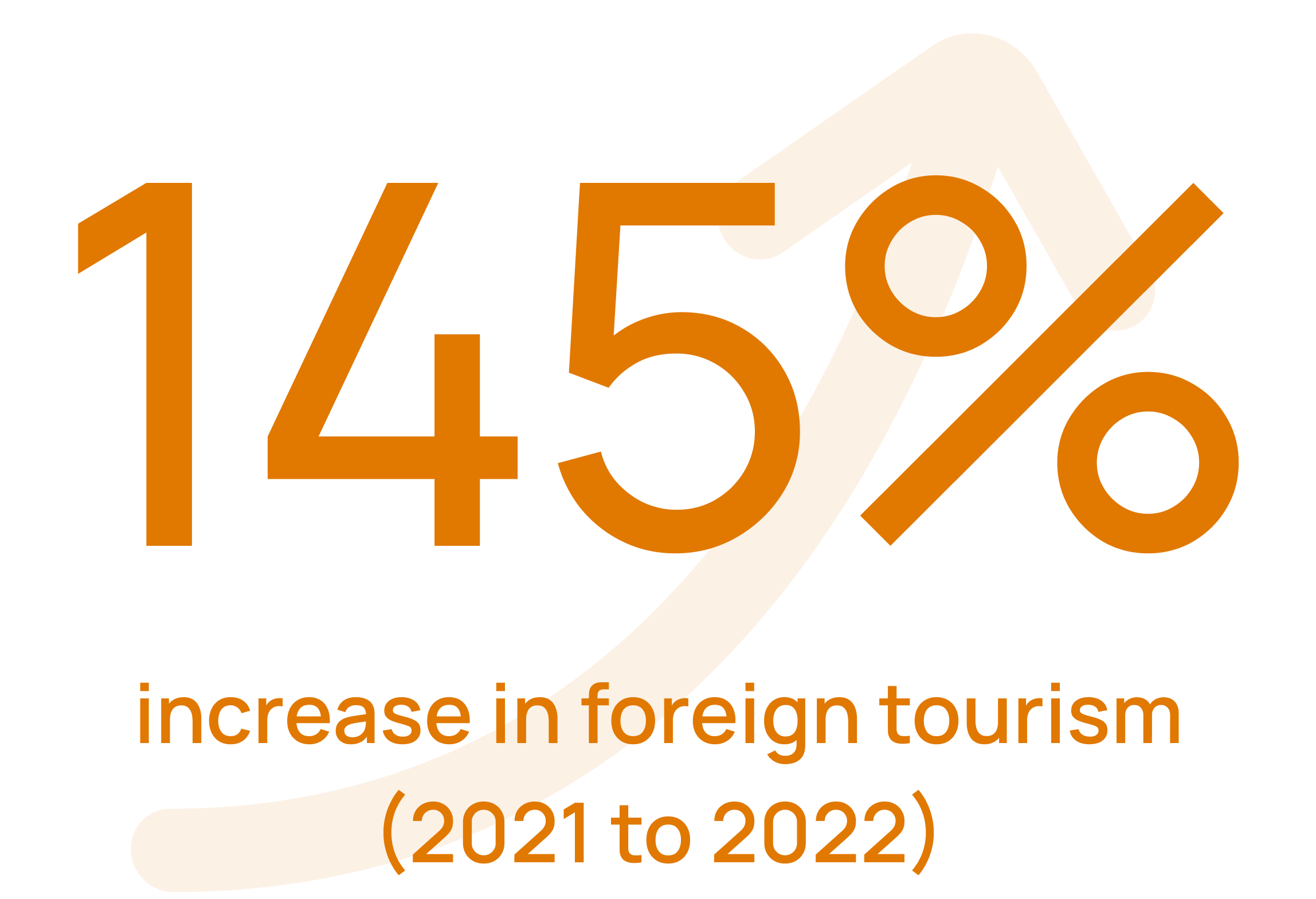
As Coco Nogales, a local resident, said in Place of Thorns: "Maybe tourism isn’t the problem, but the town isn’t prepared to grow so fast. The infrastructure isn’t in place." Today, Puerto Escondido faces major challenges, including limited access to clean water, inefficient waste and recycling systems, inadequate sewage management, and increasing strain on energy infrastructure.
Major Shortages of Local Infrastructure

Clean Water

Trash & Recycling
Sewage

Electricity
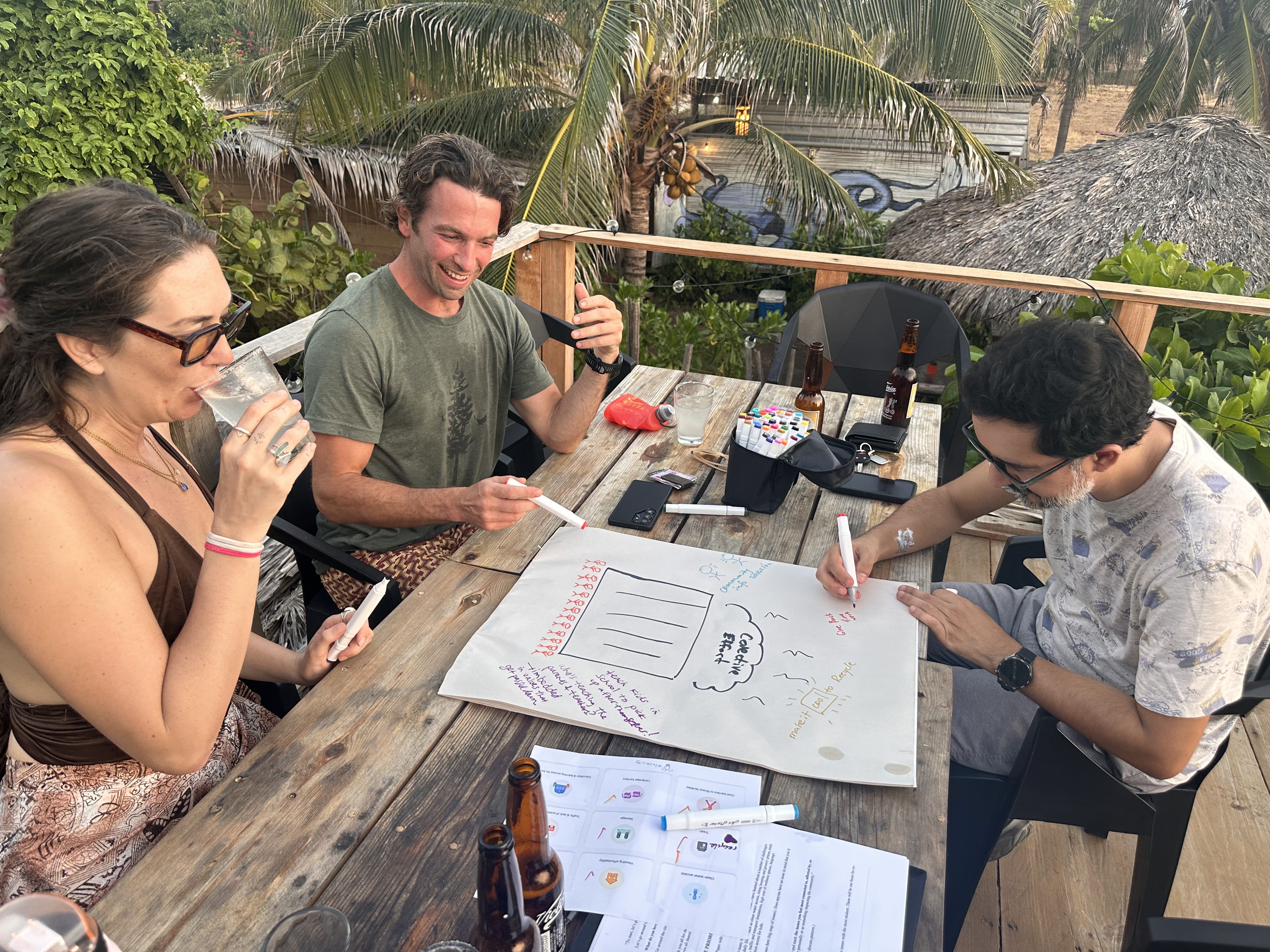
Through the participatory workshop I run in Puerto Escondido in November 2025, I found that digital nomads are often unaware of the challenges local communities are facing, and when these challenges remain invisible, opportunities to engage in community activism remain inaccessible, and participation rarely begins.
HYPOTHESIS
How might we help new-coming digital nomads learn and understand the hidden infrastructural burdens and community challenges locals face upon arrival?
Insights from Research

Food as a Shared Practice of Unlearning
Cooking together requires participants to slow down and adapt to shared rhythms, challenging expectations of speed and control.

When I got impatient, I realized I needed to turn off my North American mindset and learn to embrace their way of life instead of importing my own.
Across interviews with digital nomads, shared traditional meals consistently surfaced as their most memorable experiences. From shopping, preparation to cooking, eating, and cleaning, these activities encourage participants to slow down and engage in a shared process, creating opportunities for meaningful interaction, cultural exchange, and lasting learning.

Co-living Spaces as Ritual Infrastructure
Co-living spaces build community through designed activities and rituals, making them a natural site to introduce new experiences that can shape behavior and deepen participation.

Community manager at co-living spaces is responsible for organizing events and activities (for members to participate in) which can be seen as rituals within the co-living spaces.
The function of rituals is to confirm a group’s view of itself and it also confirms a sense of community.

Orientation as a Behavioral Lever
The moment of arrival is the most effective point to shape behavior, as early experiences set the norms that participants carry forward.
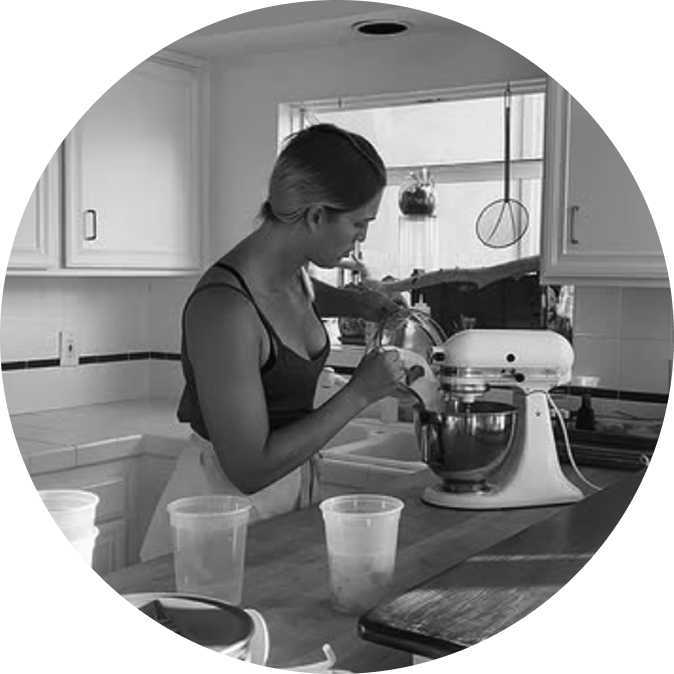
To build or change a group's behavior, the easiest way is to address them at the beginning.
Cook Share - An Orientation Experience

Experience Location
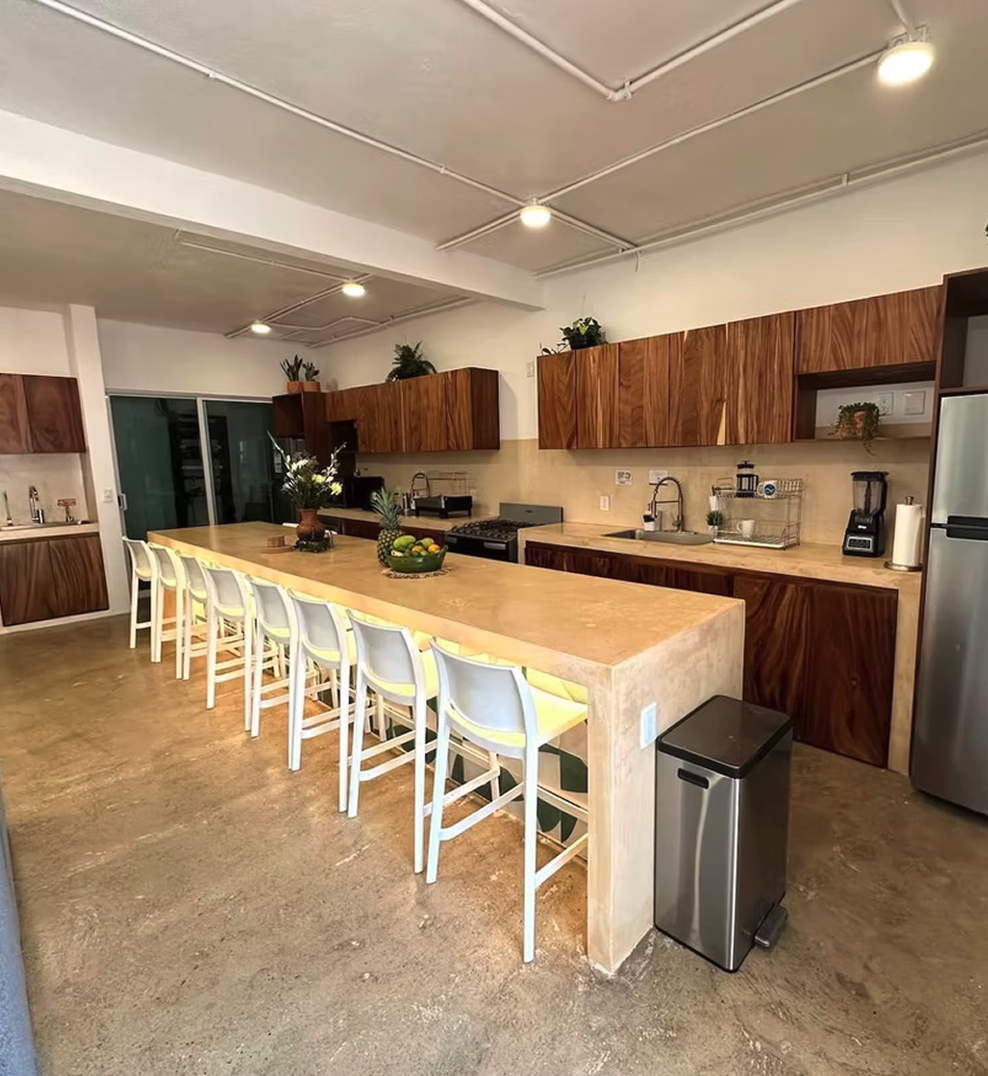
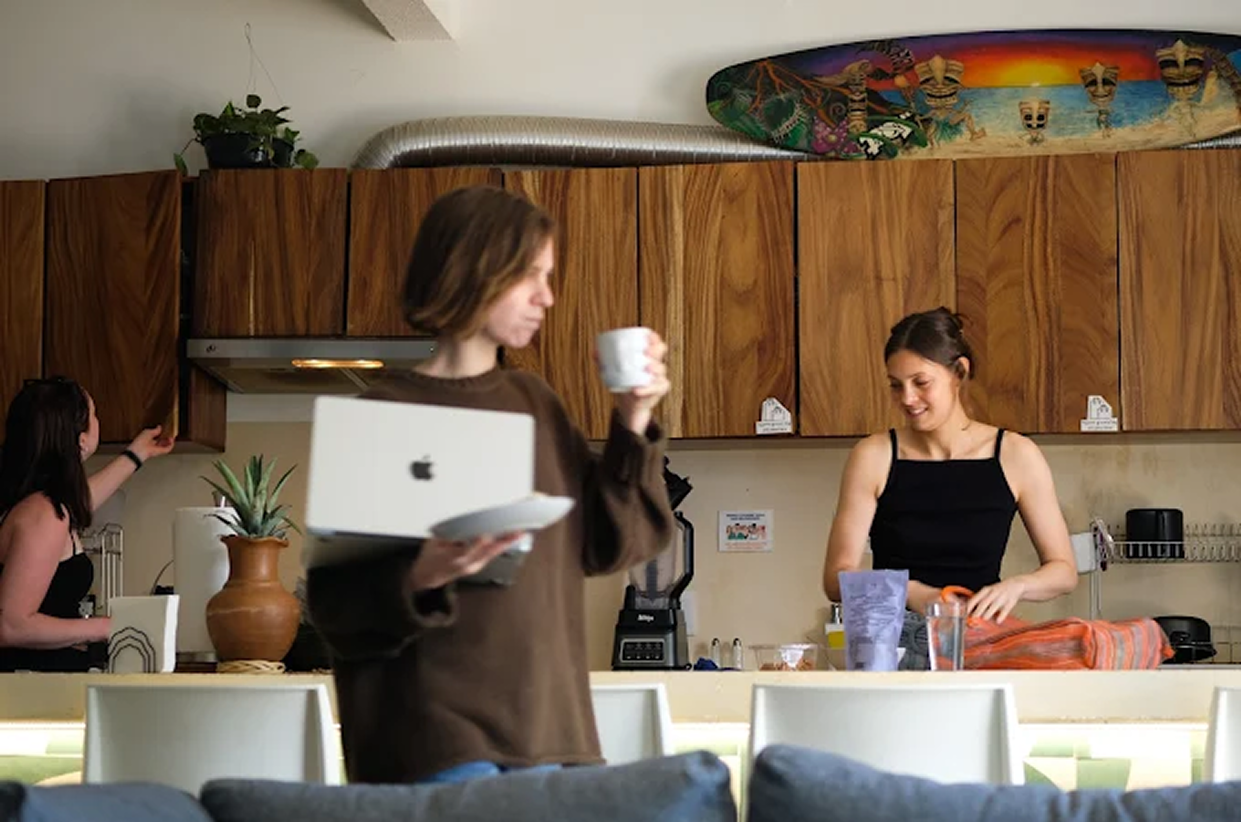
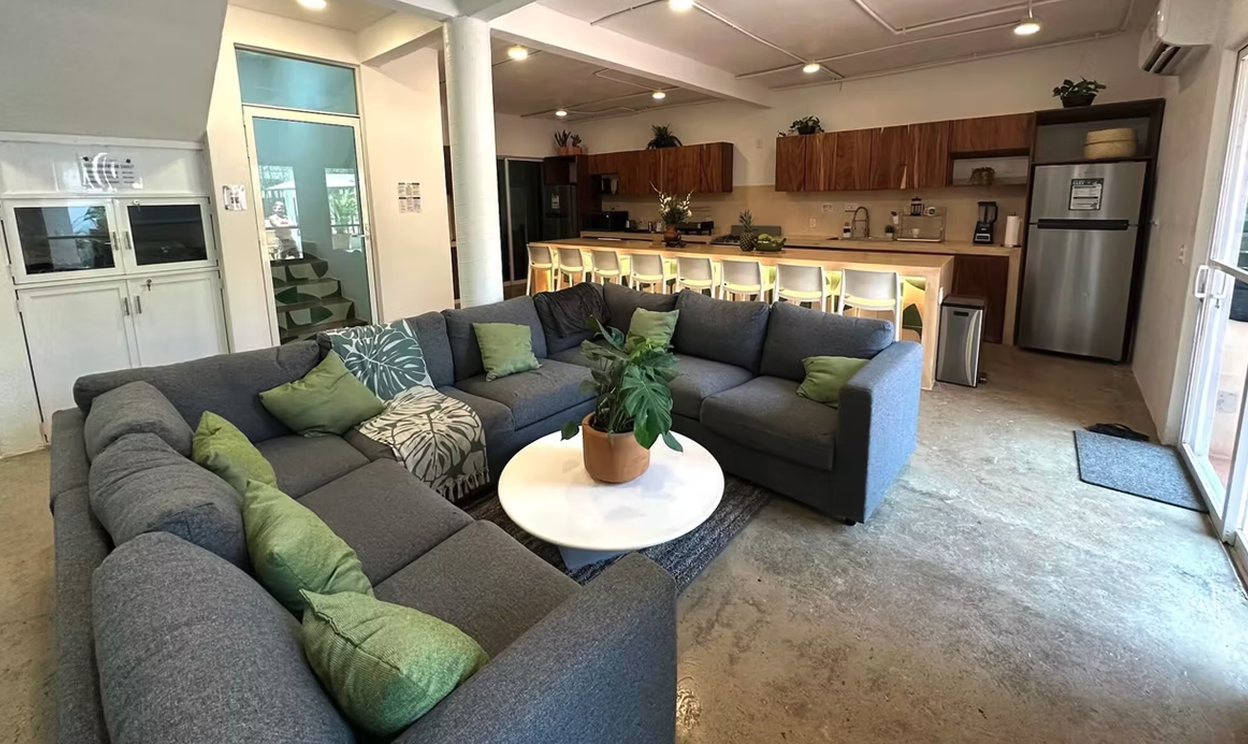
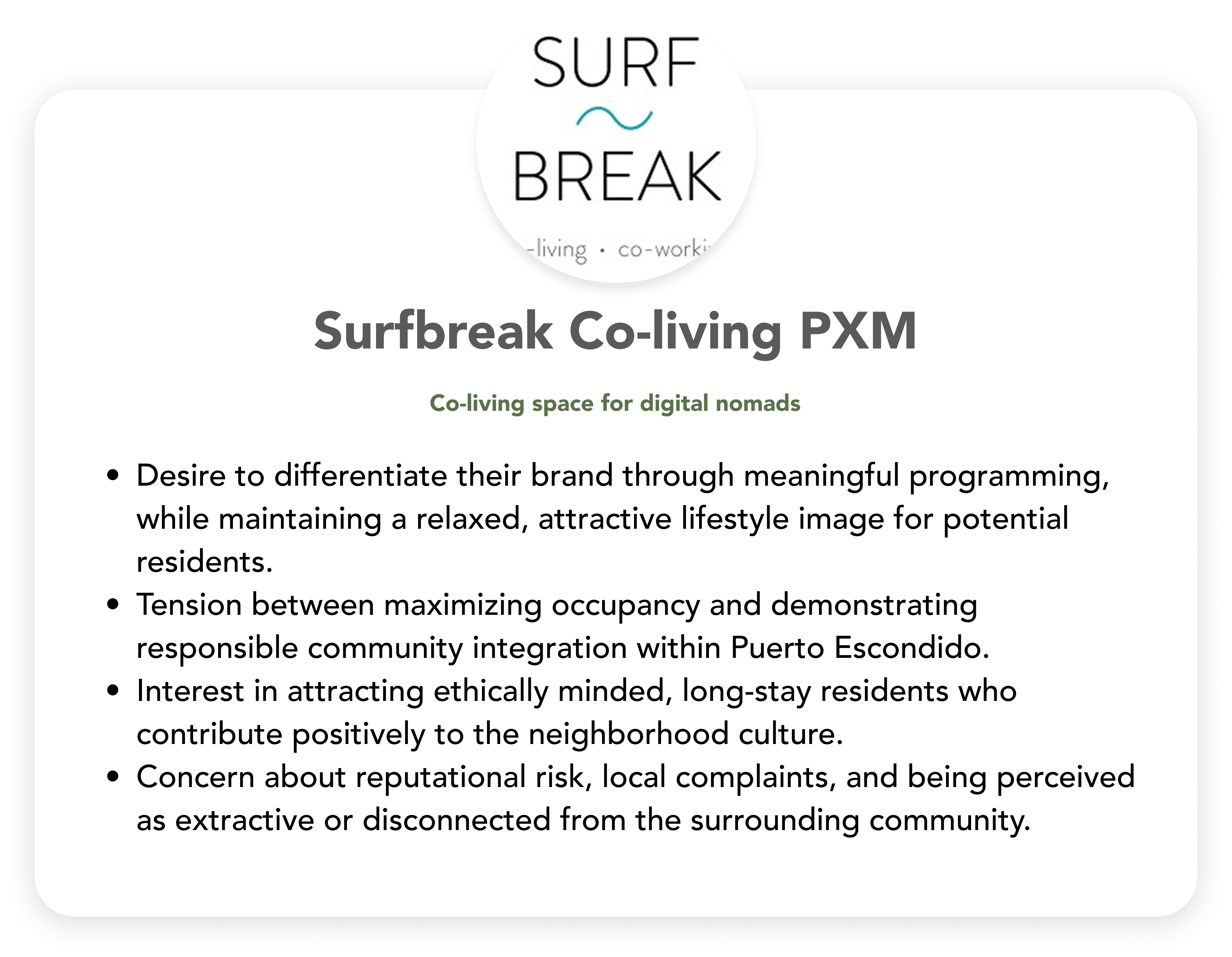
Surfbreak PXM is a co-living space in Puerto Escondido. Surfbreak hosts a vibrant, inclusive global network of adventurers, remote workers, and mindful travelers with the intention to nurture community, birth friendship, spark ideation, and fuel limitless personal and professional growth and production. Surfbreakers commit daily to live in such a manner that benefits each other and the lands, communities and world around us.
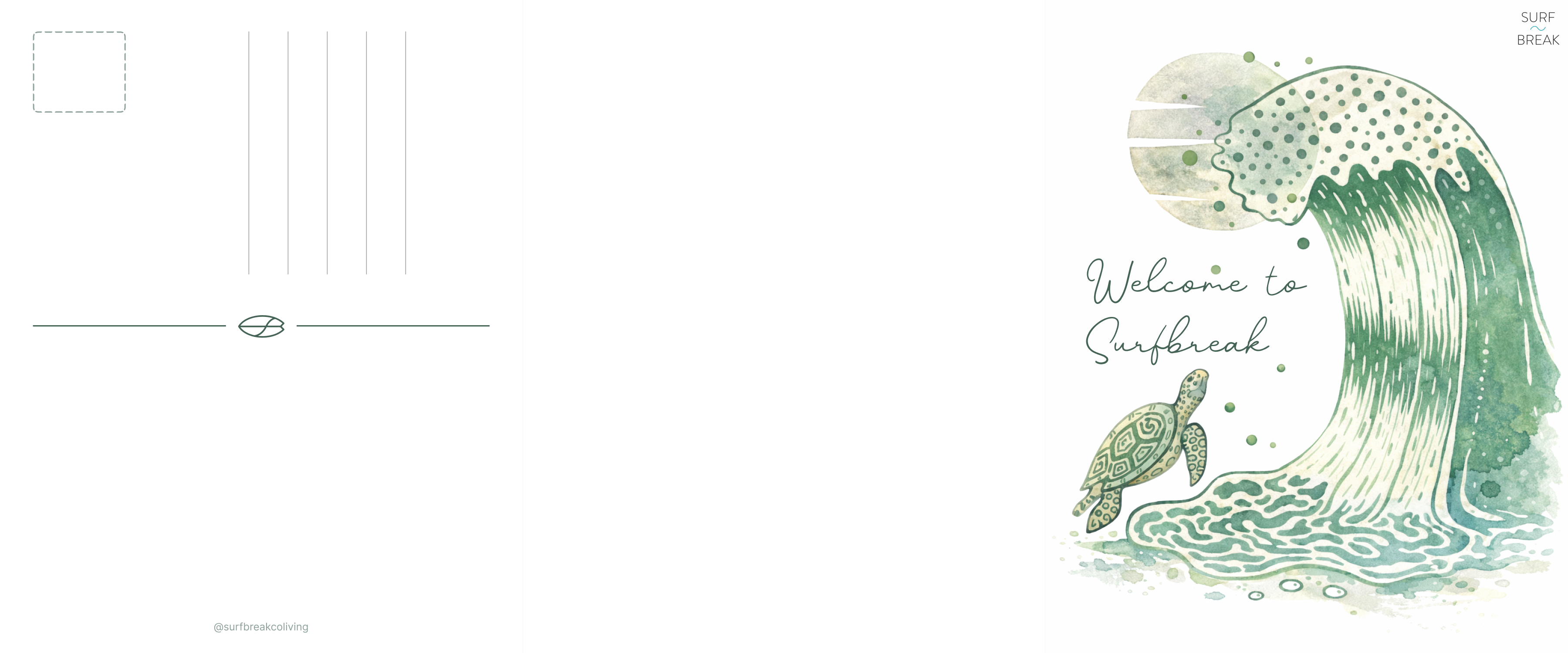
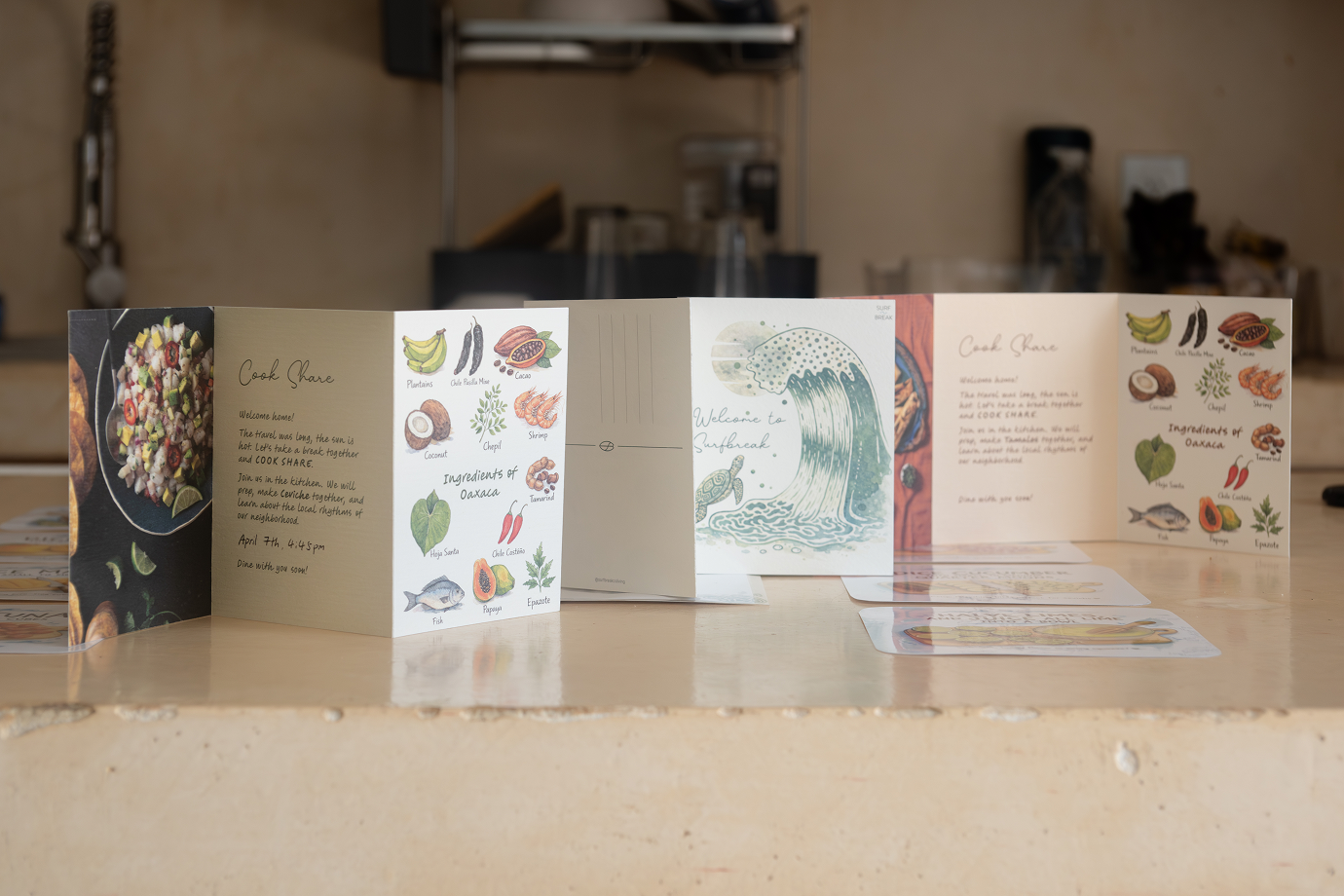
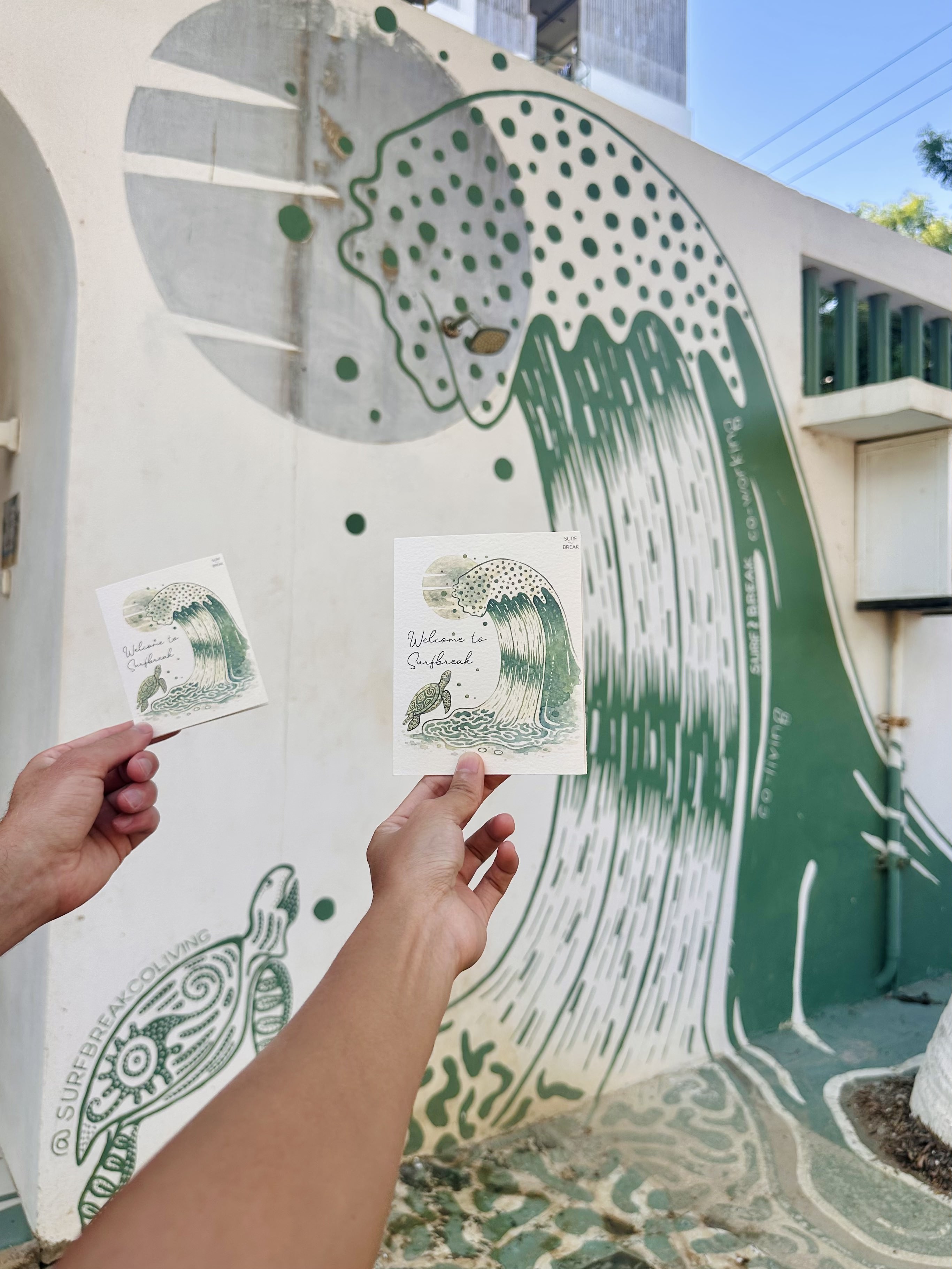
Experience Invitation Card
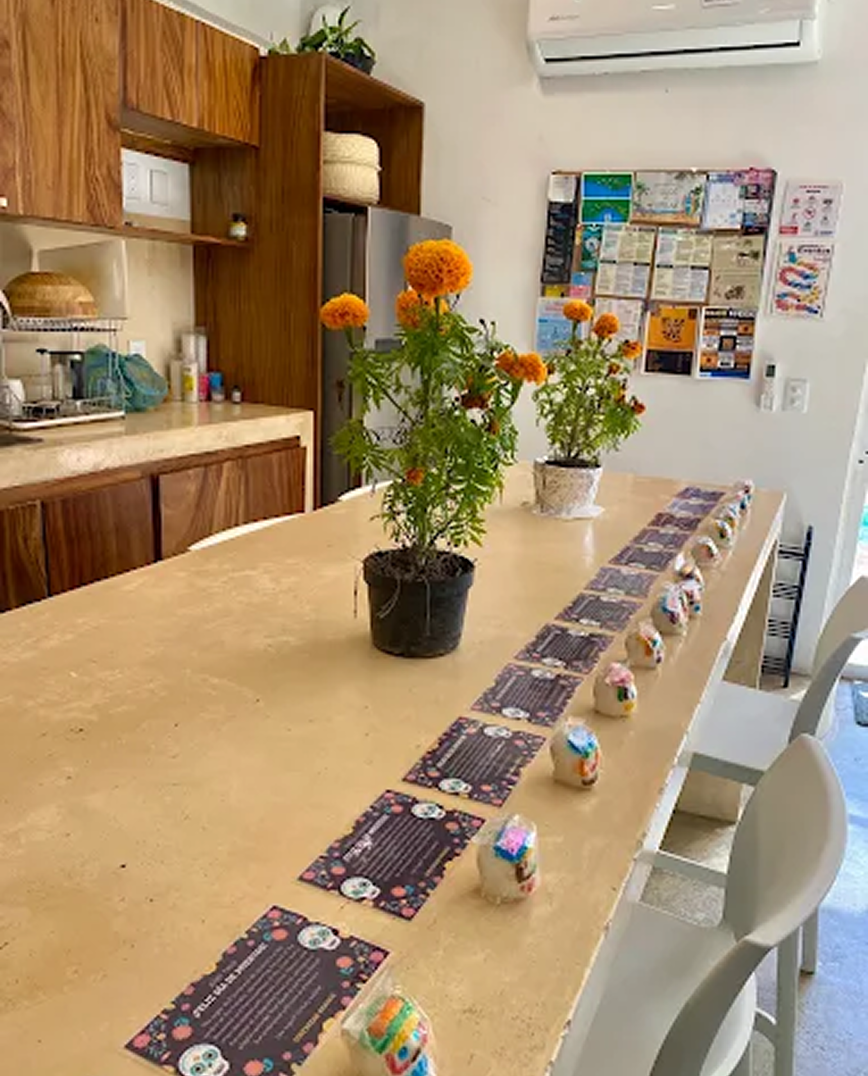
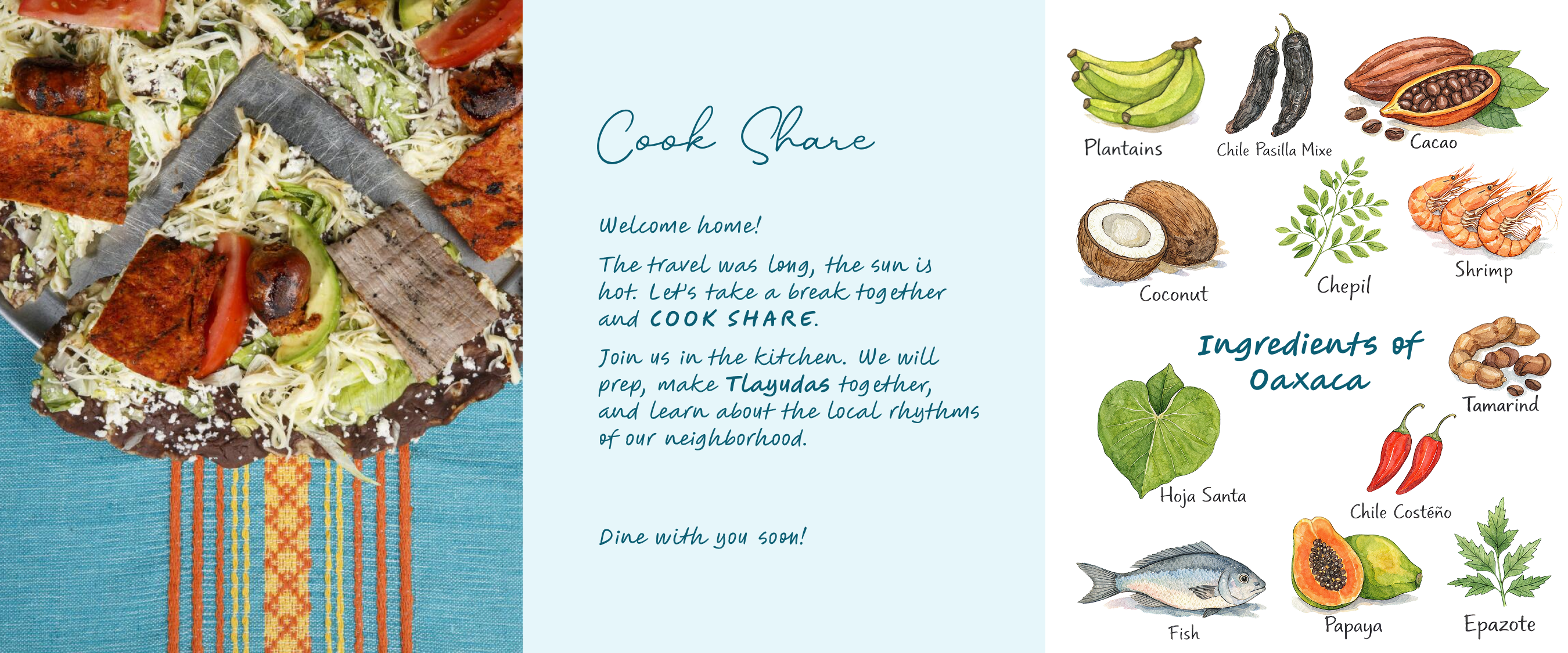
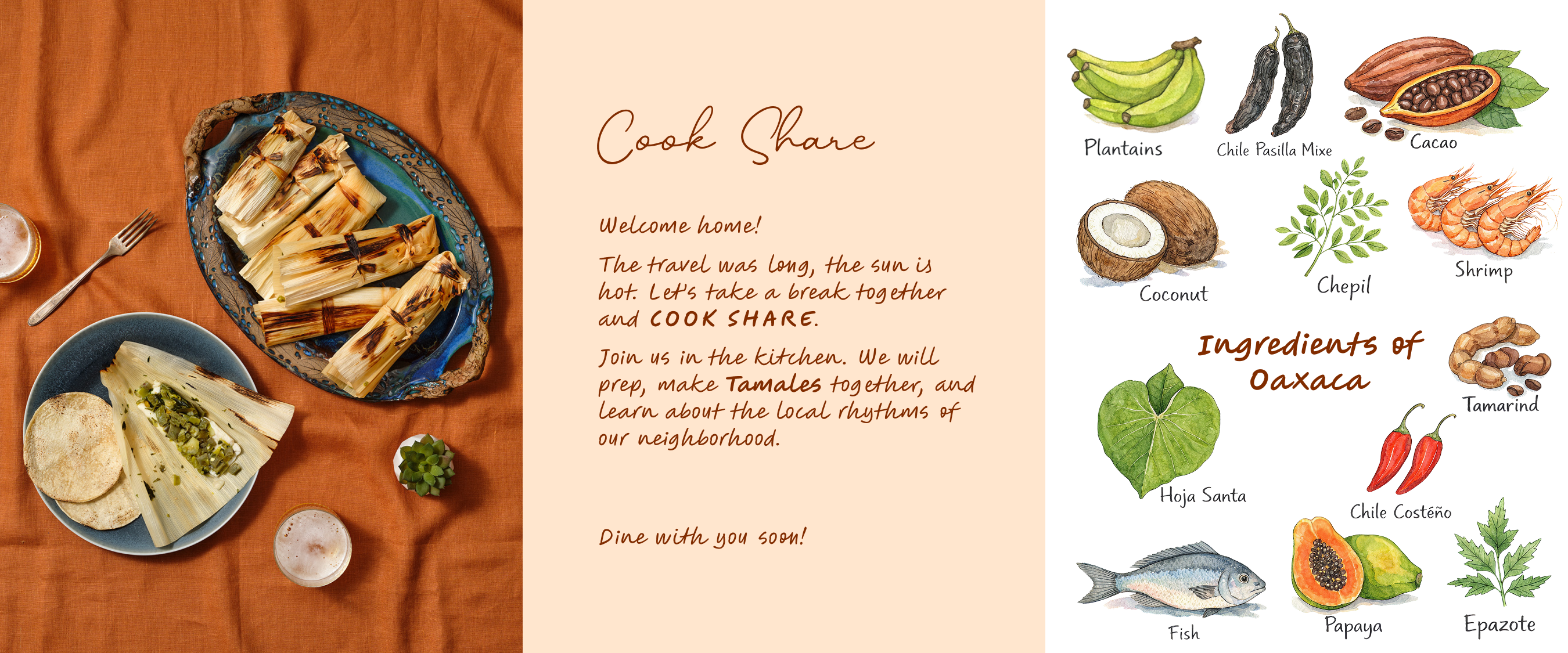
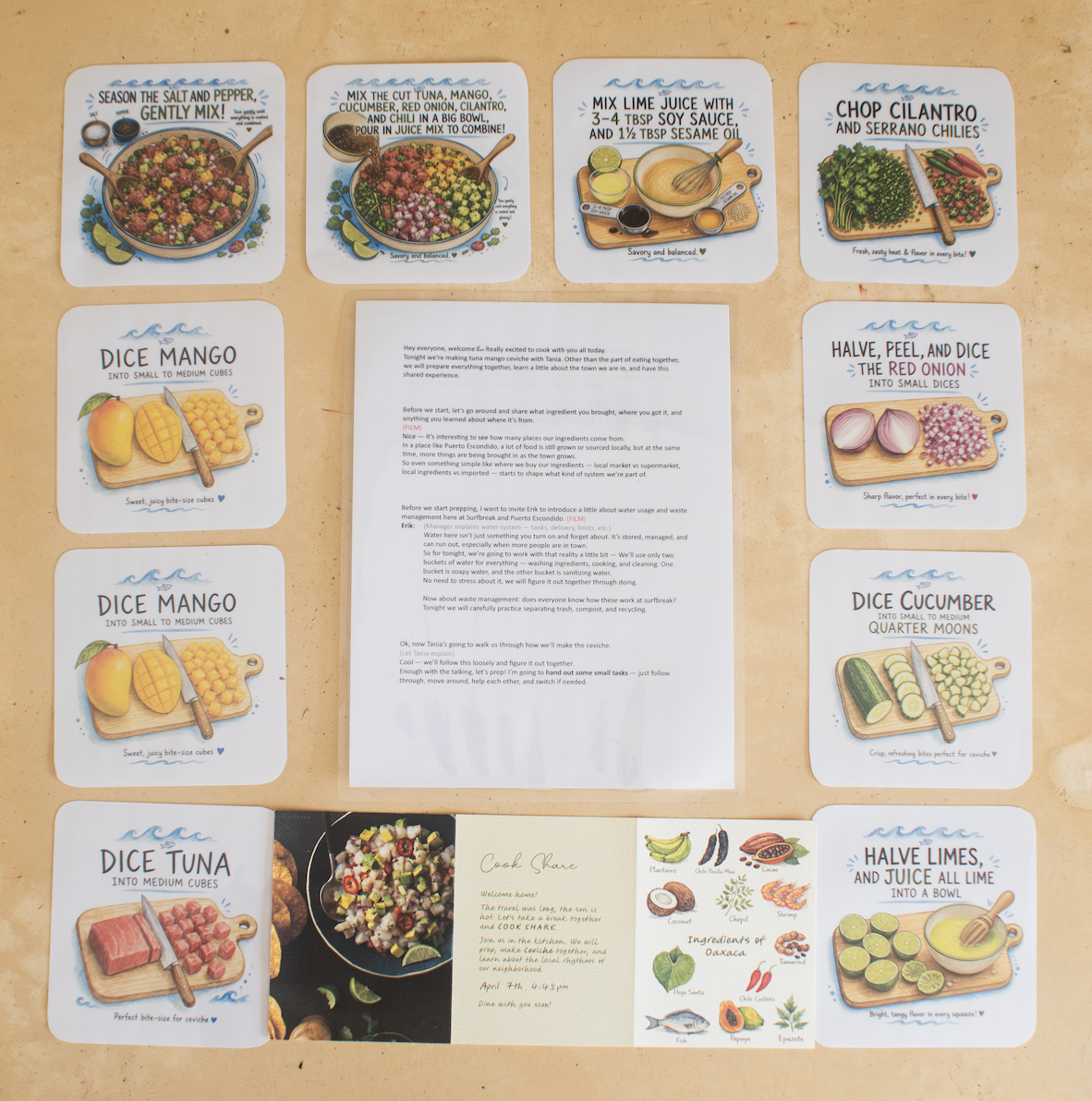
Digital nomad received invitation card along with other Surfbreak merch in their private room on arrival.


The Challenges
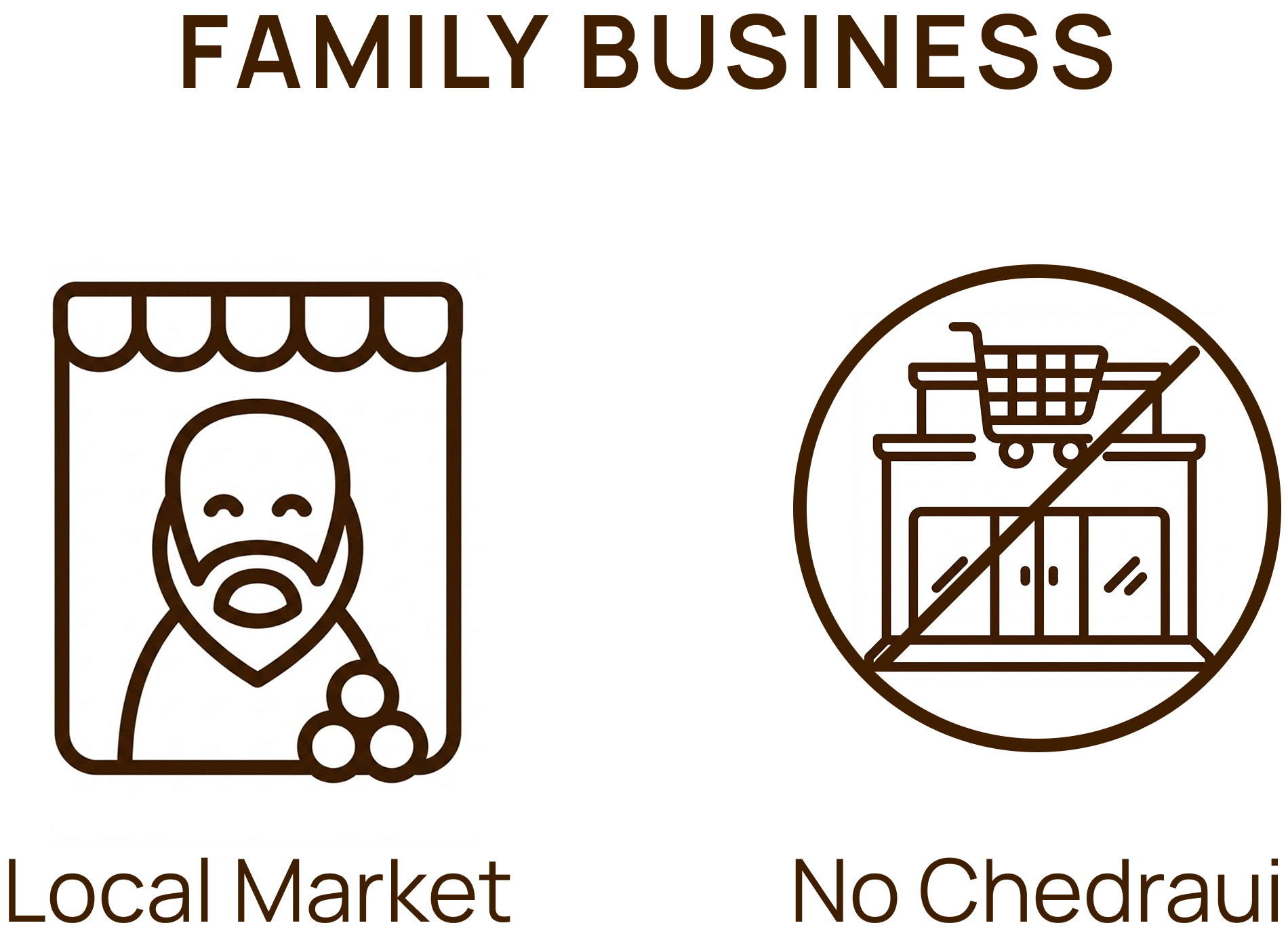
Challenge 1: The "Roots"
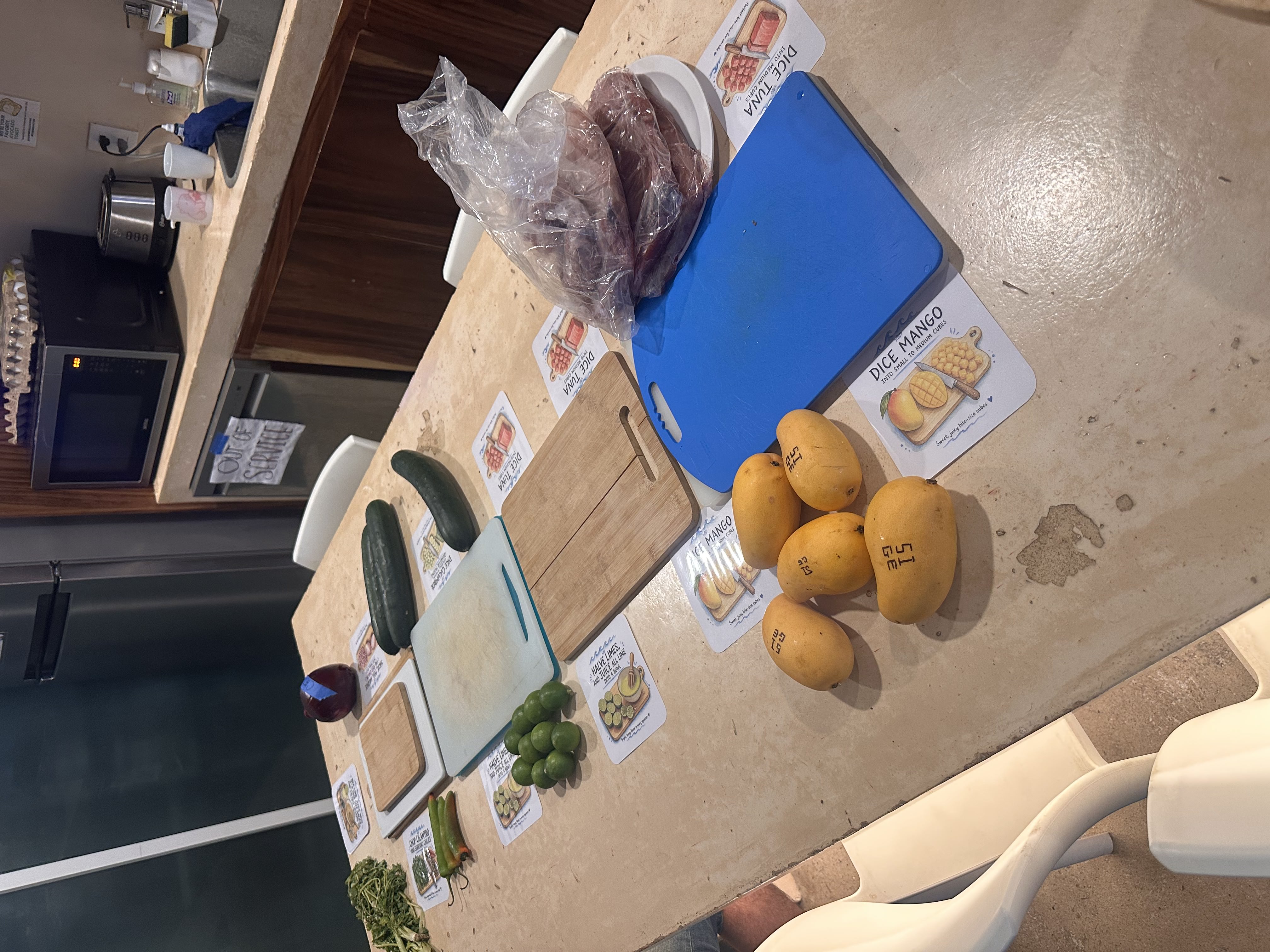
Learn about how locally grown ingredients support more sustainable agricultural practices: before cook share begins, digital nomads are assigned a small task: buy one ingredient from the local store and ask about its origin.

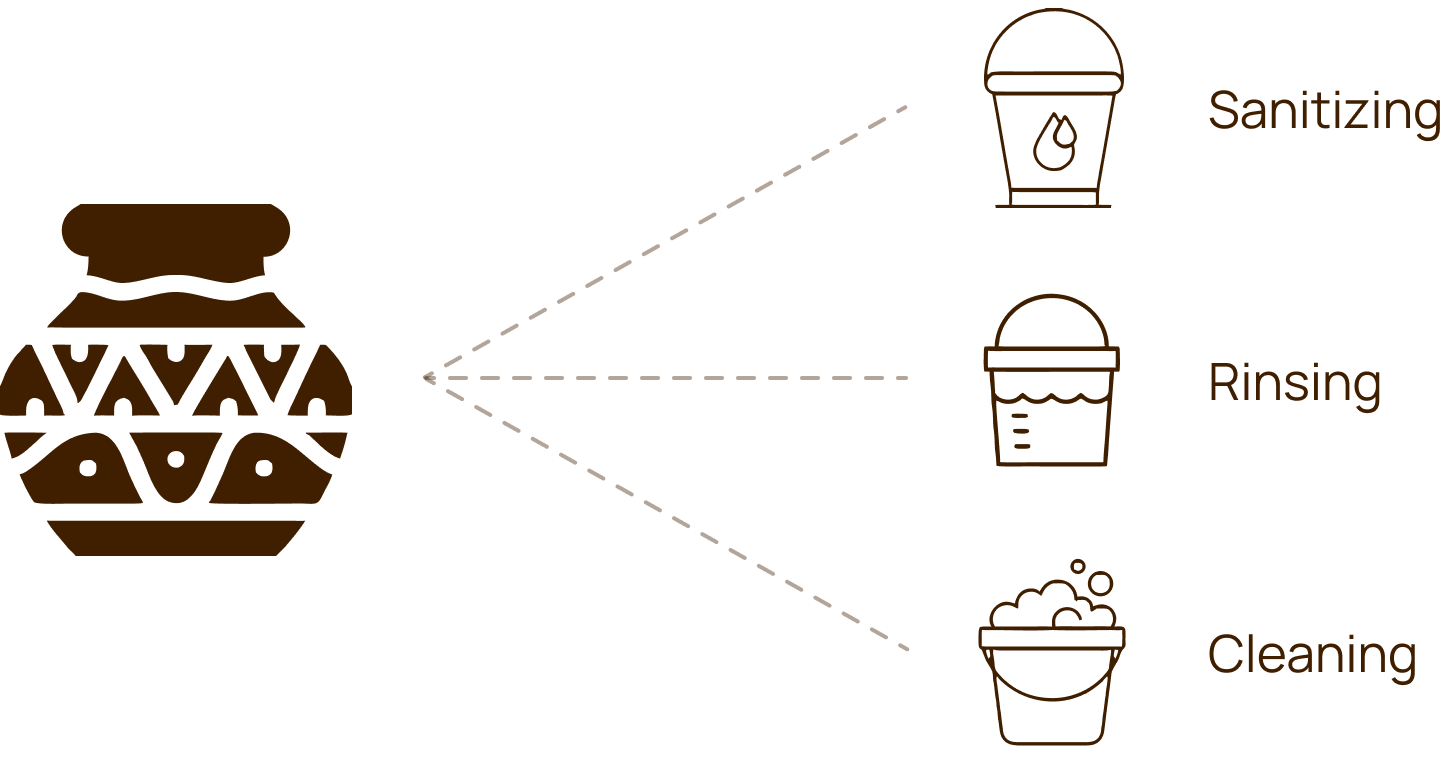
Challenge 2: The "Finite Reservoir"
Throughout ingredient preparation, cooking, and cleanup, digital nomads are limited to use only a single bucket of water for the entire process. This turns the awareness of water issues into simple achievable actions.
Challenge 3: The "Circular Scrap"
As part of Cook Share, digital nomads are required to sort waste into trash, recycling, and compost, establishing practices that are expected to be continue throughout their stay.

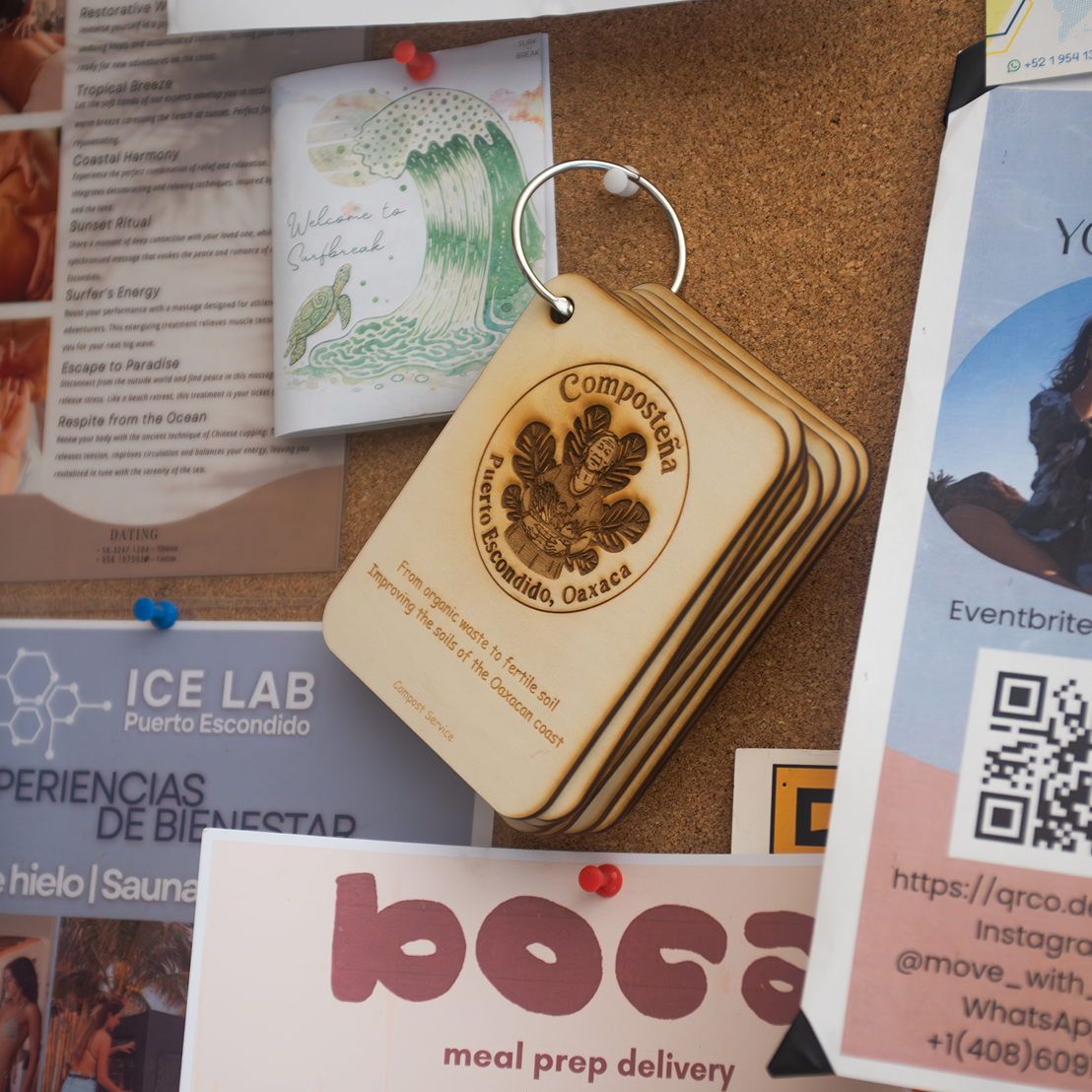
The Exit - Book of Communities
At the end of Cook Share, the co-living manager introduces local community initiatives through a “Book of Communities” and their associated Instagram accounts, providing pathways for continued engagement.

Cook Share - The Full Experience
The Result
Through Cook Share, food becomes a shared practice ofunlearning, newcomers begin to embrace the community around them, understand local challenges, and develop responsibility, all through an experience that is informative, joyful, and shared.
“Everyone making it together made it a little more special, it was instructive, everybody had fun… it will bring a more cohesive glue to the group.”
“The ethos around the event created a stimulating environment for discussion… the depth of the conversion is really valuable.”
“Understanding the effort it takes to get clean water makes me more cognizant of utilizing water in a responsible way.”

Comunidad de Cocinar y Compartir - The Community Building Service

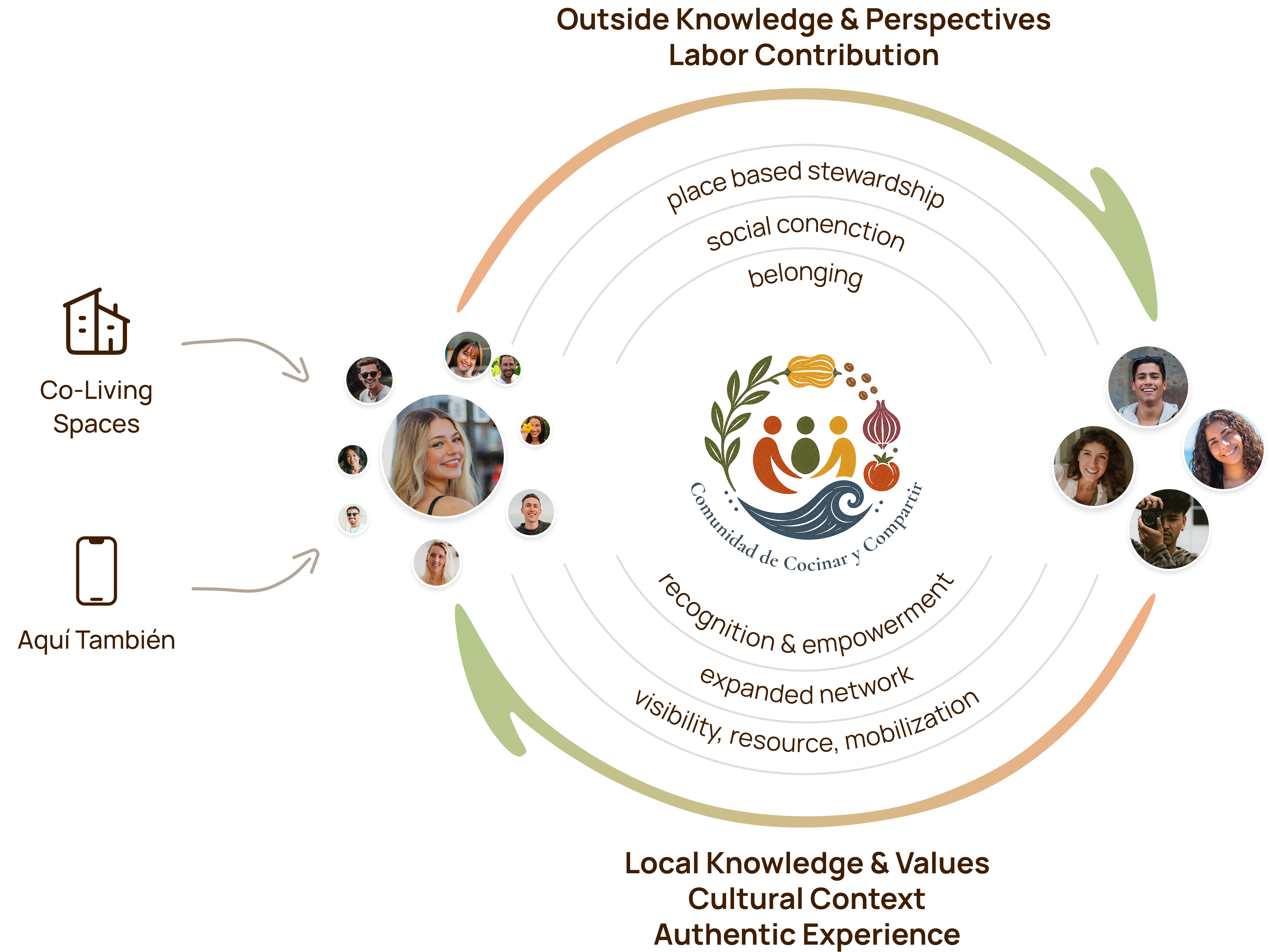
Comunidad de Cocinar y Compartir (Cook Share Community) aims to extend the impact of Cook Share orientation beyond a nomad’s stay to future nomads and the local communities. This service connects co-living residents with local initiative organizers through recurring topic-based cooking sessions and community engagements, creating an ongoing cycle of knowledge exchange, relationship-building, and community contribution that outlasts any individual resident’s time in Puerto Escondido.
PROBLEM SPACE
Despite coexisting in the same town, digital nomads and local residents remain socially and geographically separated. Food brings them into proximity, but interactions often stay surface-level, failing to translate into deeper relationships or meaningful exchange.
The Stakeholder Needs
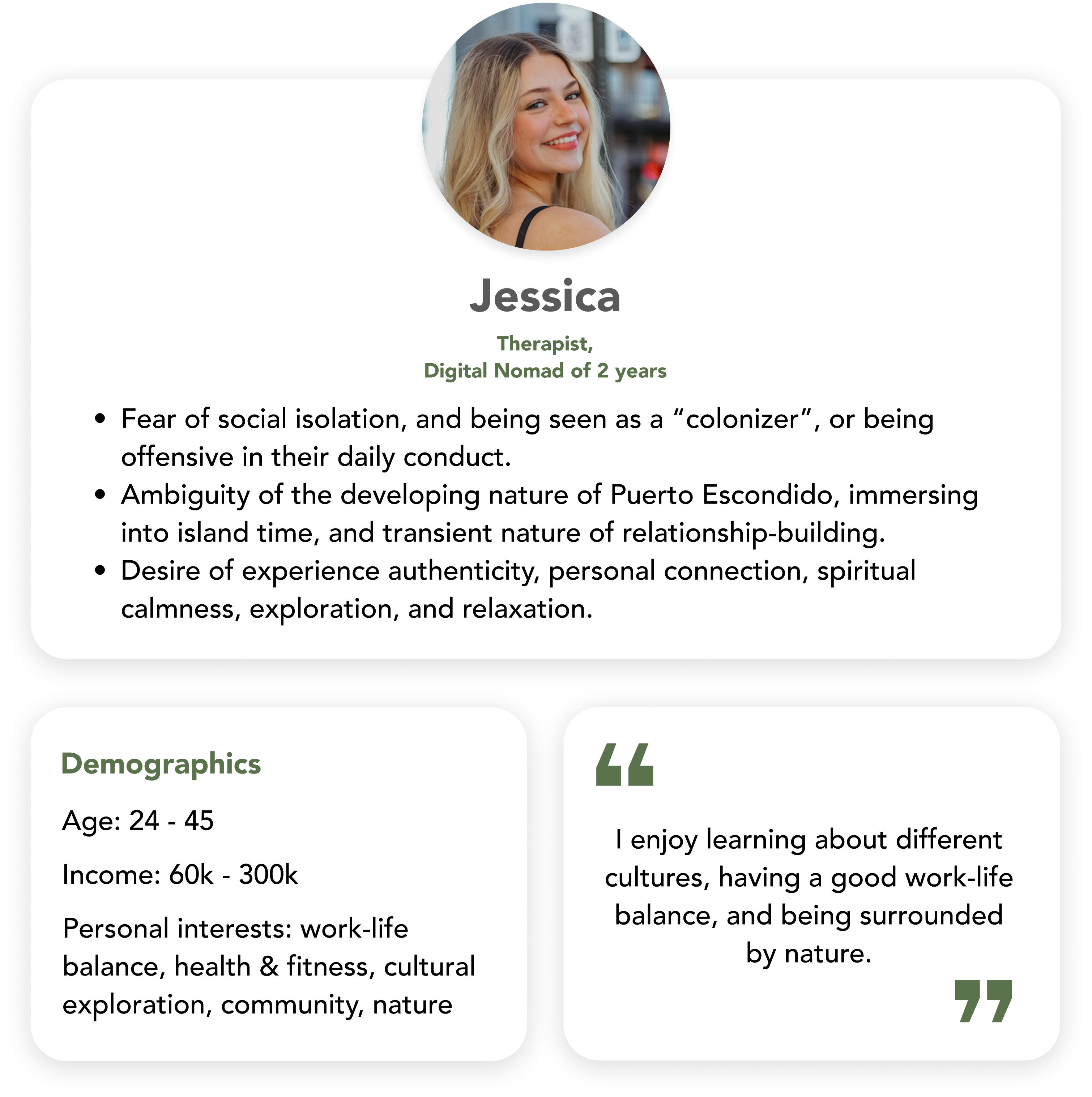
Digital Nomads
- deeper cultural understanding
- pathways to ethical and responsible living/traveling
- personal connections to local communities
Local Initiative Leaders
- equal voice and new ideas
- responsible visitors/neighbors
- potential new forces to join initiatives

Co-Living Spaces
- meaningful programming and ethical customers
- respectful relationship with nearby neighbors
- potential connection and collaboration with local initiative organizations
Stakeholder Personas (click to enlarge)
Topic-Based Cook Share Sessions

By centering the recurring Cook Share sessions around community-identified topics such as water scarcity, waste management, local education, or coastal conservation, Comunidad de Cocinar y Compartir transforms a shared meal into a platform for learning, dialogue, and collective action.
As digital nomads cook alongside local organizers and community members, they gain a deeper understanding of the challenges and opportunities shaping Puerto Escondido while building relationships that move beyond the transactional nature of tourism. Each new resident contributes skills, knowledge, resources, and labor to ongoing community initiatives, strengthening existing efforts rather than starting from scratch. Over time, these recurring gatherings foster communities centered around shared concerns such as environmental conservation, education, water access, and cultural preservation. As residents come and go, knowledge, momentum, and social connections are passed to the incoming cohort, creating a self-reinforcing cycle of engagement. Past participants lay foundations, current participants sustain and expand them, and future residents inherit established networks and pathways for meaningful involvement, allowing the impact of each session to extend far beyond any individual nomad’s stay.
Click to See Full Service Blueprint
Final Thoughts
Cook Share frames the gap between digital nomads and local communities as a design challenge rather than a behavioral one. By embedding participation into everyday rituals at the moment of arrival, it shifts onboarding from passive consumption to active contribution, using existing co-living infrastructures to create small but lasting behavior changes.
Key Takeaways:
- Participation must be designed: People are more likely to contribute when clear entry points and structures are provided.
- Rituals shape behavior: Repeated, embodied actions (like cooking and cleaning together) can reinforce new norms and values.
- Start at arrival: The first moments in a new place are critical for setting expectations and influencing long-term behavior.
- Make systems tangible: Experiencing constraints (water, waste, labor) builds awareness more effectively than explanation alone.
- Leverage existing infrastructures: Co-living spaces already function as social environments, making them powerful sites for intervention.
More About the Project
Check out the below case studies to dive deeper into my research, and to learn more about how my design interventions empower digital nomads to become active contributors to the local ecosystem.
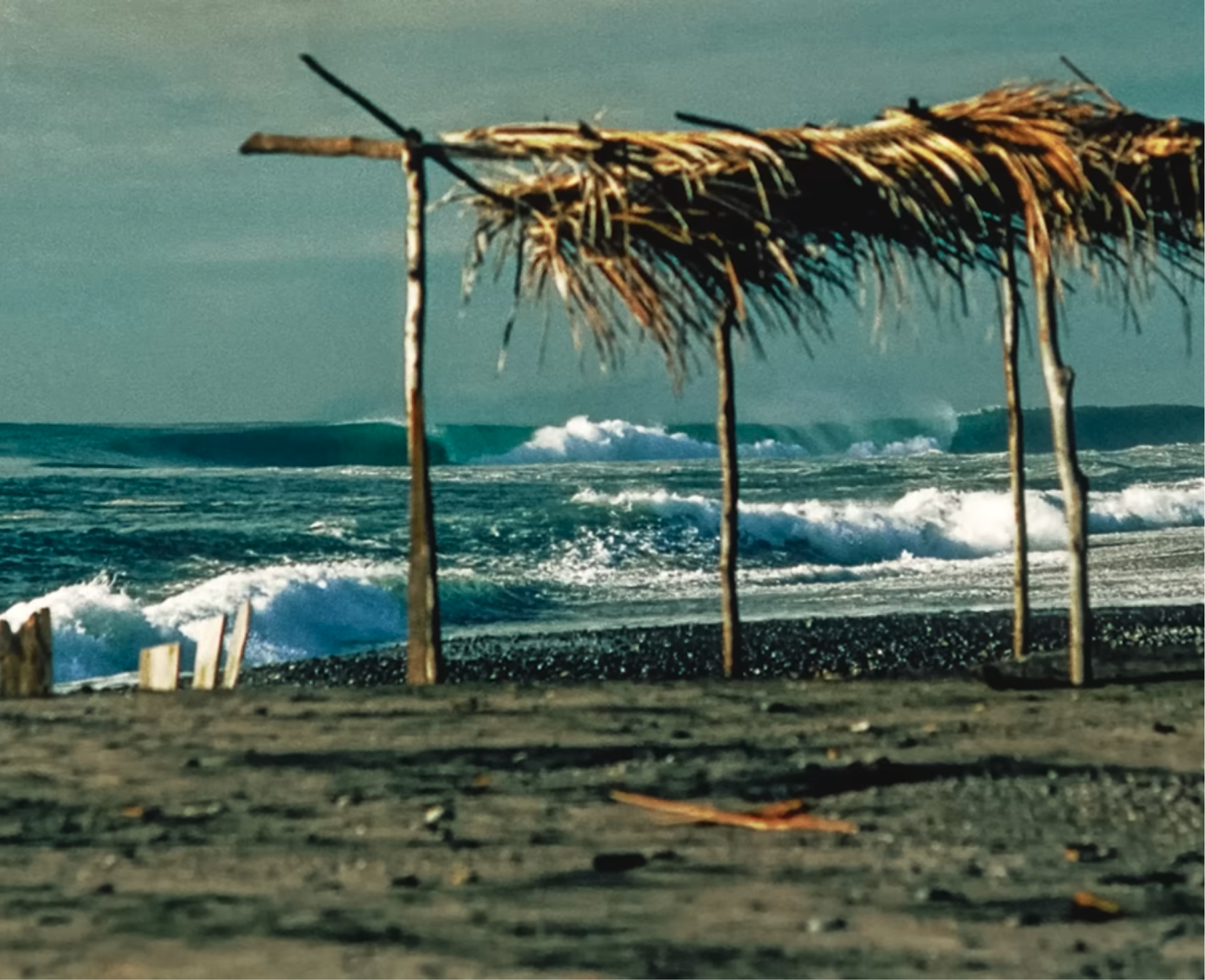
Beyond the Nomad Bubble
Design Research
The "Hidden" Gap Between Tourism Development and Community Capacity

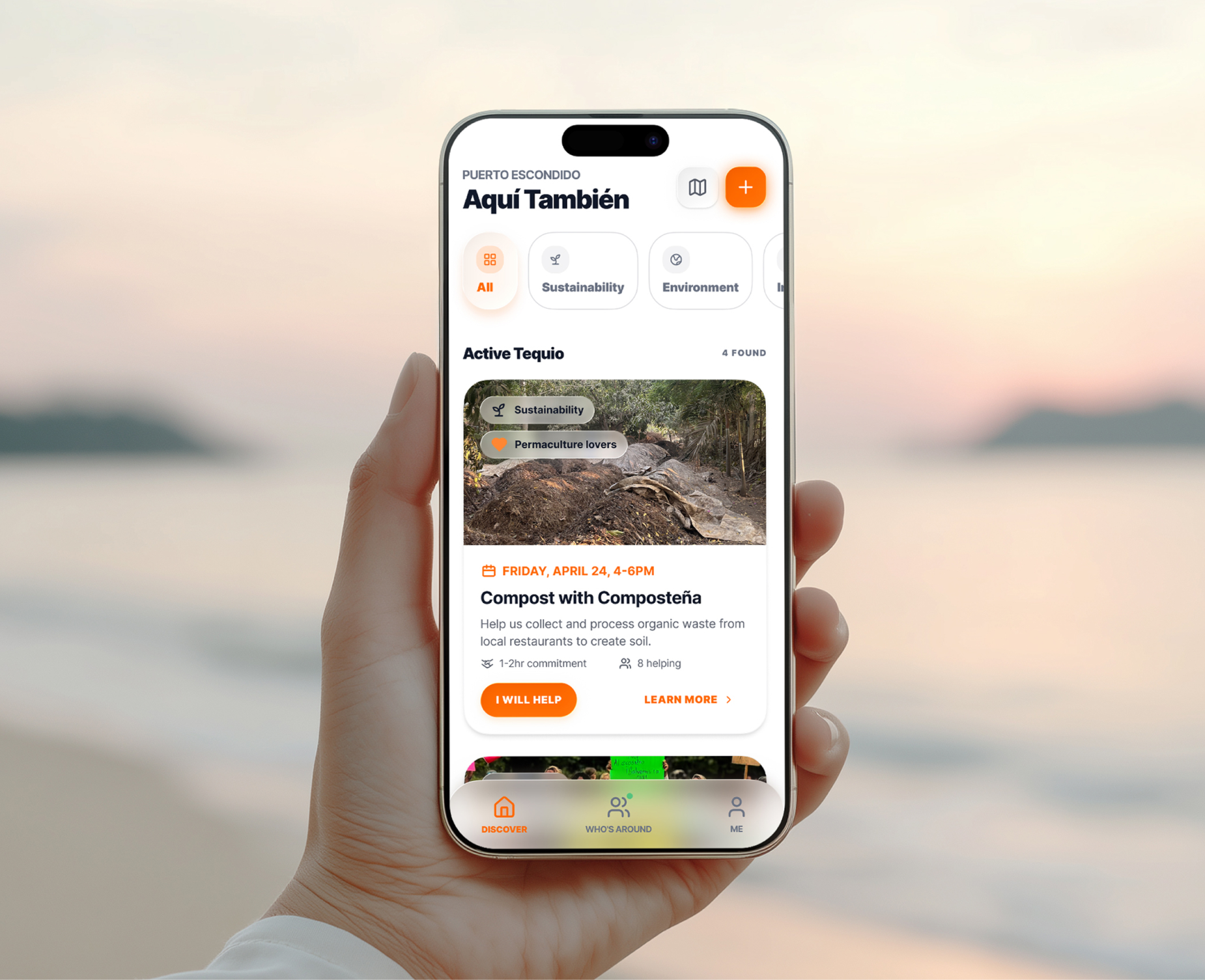
Aquí También (Comming Soon)
UI/UX
Visibility, Connection, and Collective Action: Bridging Social Bubbles Through Tequio

Taza de Hito (Coming Soon)
Physical Product
Making Community Contributions Visible: A Ritual of Giving, A Symbol of Belonging
See More Thesis Projects
Beyond the Nomad Bubble
Design Research | Social Impact & Hospitality
The "Hidden" Gap Between Tourism Development and Community Capacity
Aquí También
UI/UX Design | Social, Community Building, & AI
Visibility, Connection, and Collective Action: Bridging Social Bubbles Through Tequio
Taza de Hito (Coming Soon)
Physical Product | Hospitality Nonprofit
Making Community Contributions Visible: A Ritual of Giving, A Symbol of Belonging

